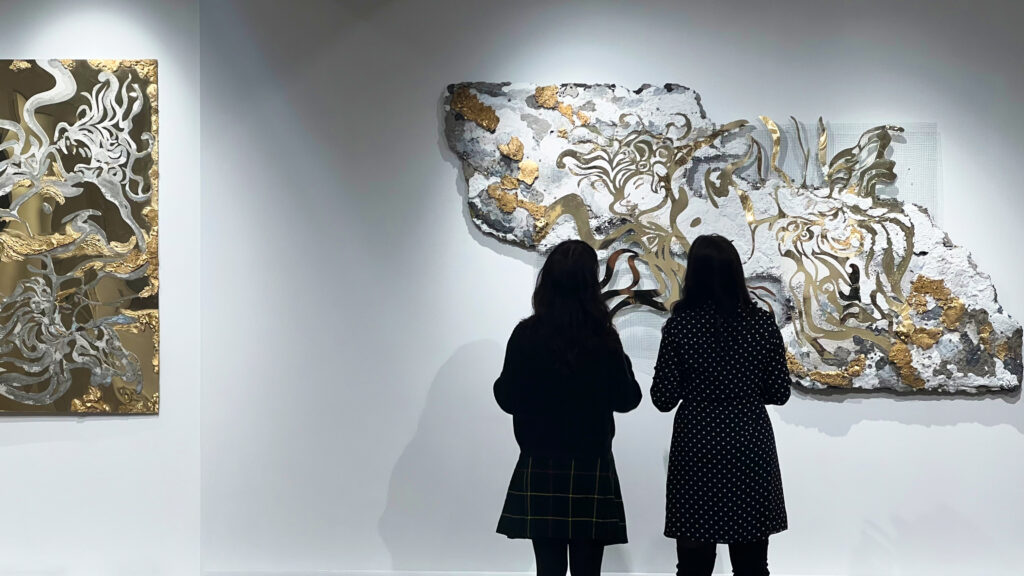
 Reflected Asymmetry at the Hanover Gallery London
CASTLES IN THE AIR
INSPIRATION
“Castles in the Air” was once a way of dismissing what could not be held.
An idea without ground.
A vision without structure.
I was drawn to it for that reason.
To question whether what is imagined must remain intangible—
or whether it can be built with the same precision, weight, and permanence as anything rooted in the earth.
What dares to exist beyond gravity, beyond logic, beyond permission.
This work begins in contradiction.
Metal shaped into movement.
Mineral surfaces carrying lightness.
Reflections that dissolve what is physically present.
What appears impossible is simply unresolved.
“Castles in the Air” becomes not a metaphor, but a direction—
a way of constructing space where weight and suspension coexist,
and where the boundary between the real and the perceived is intentionally blurred.
I chose to build it anyway
What was once intangible becomes material: metal holds weight like memory, concrete anchors the ephemeral, mirrors fracture and multiply the sky. These works do not escape reality—they recompose it. They exist in suspension, where reflection replaces certainty and solidity coexists with illusion.
NOT DECORATION BUT PERCEPTION
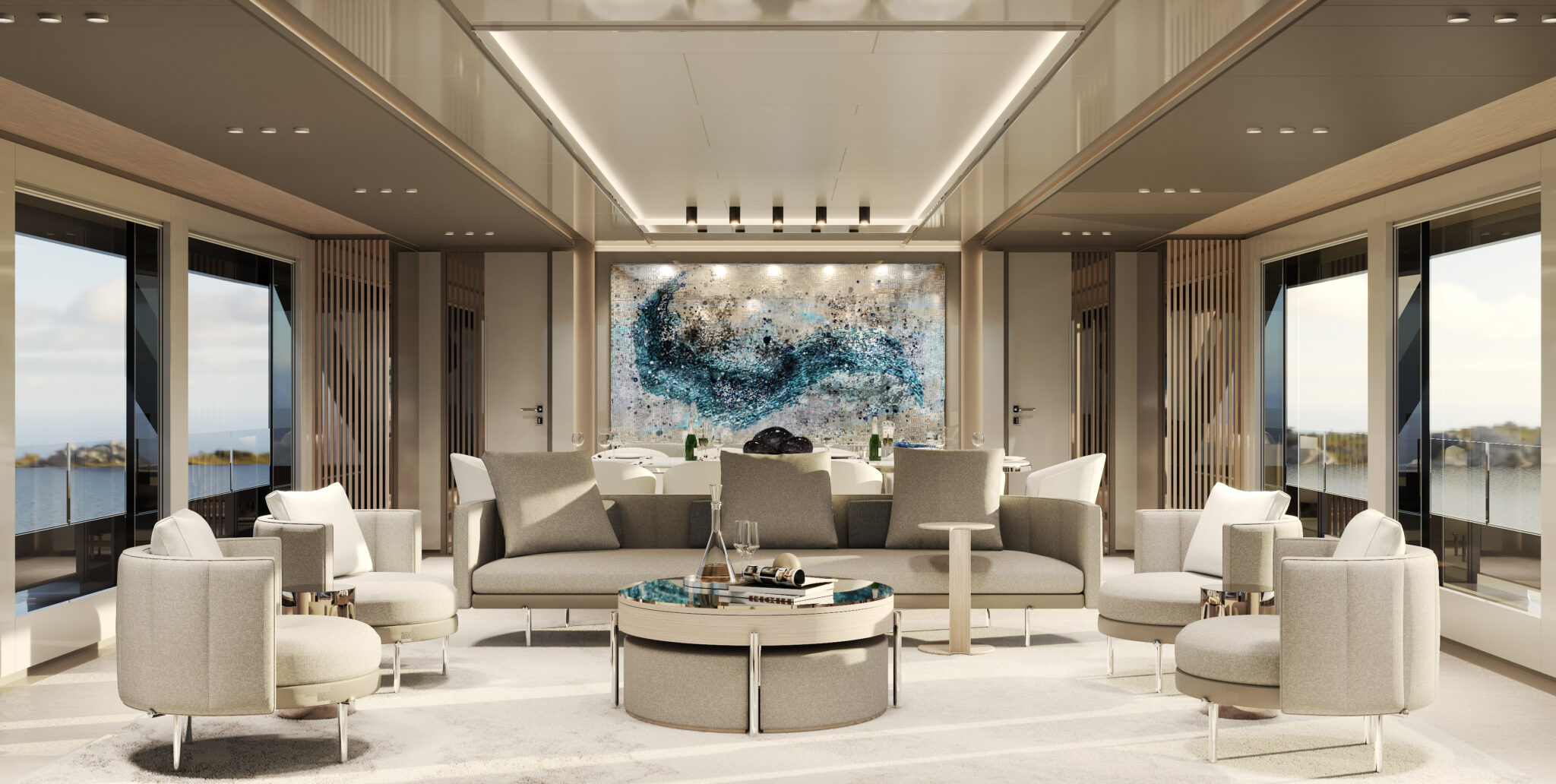
The work originates from a material contradiction—metal, concrete, and mirror—used to express tension between weight and suspension, permanence and illusion. This duality now informs a broader design language applied across private aviation, yachting, and residential interiors.
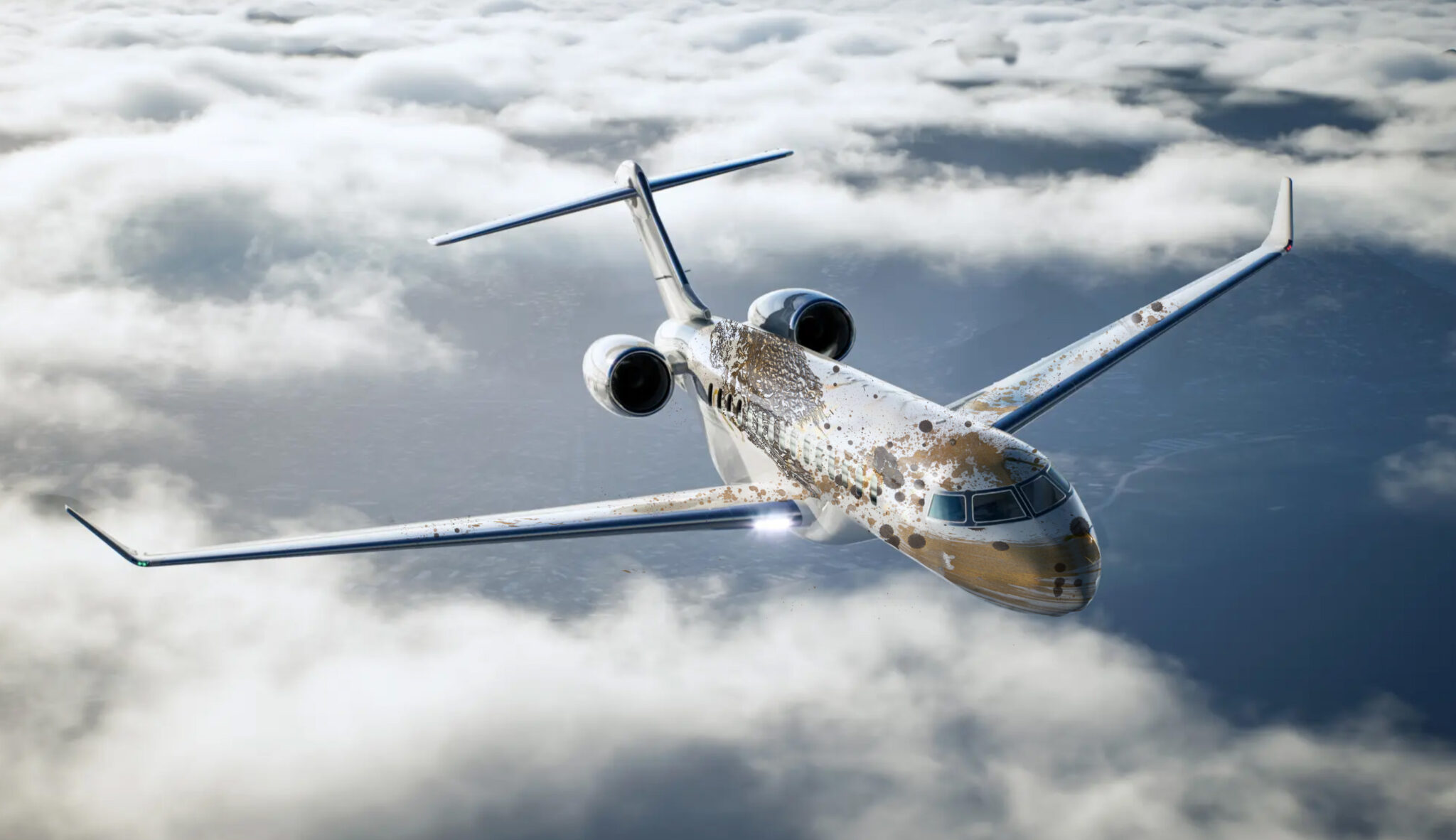
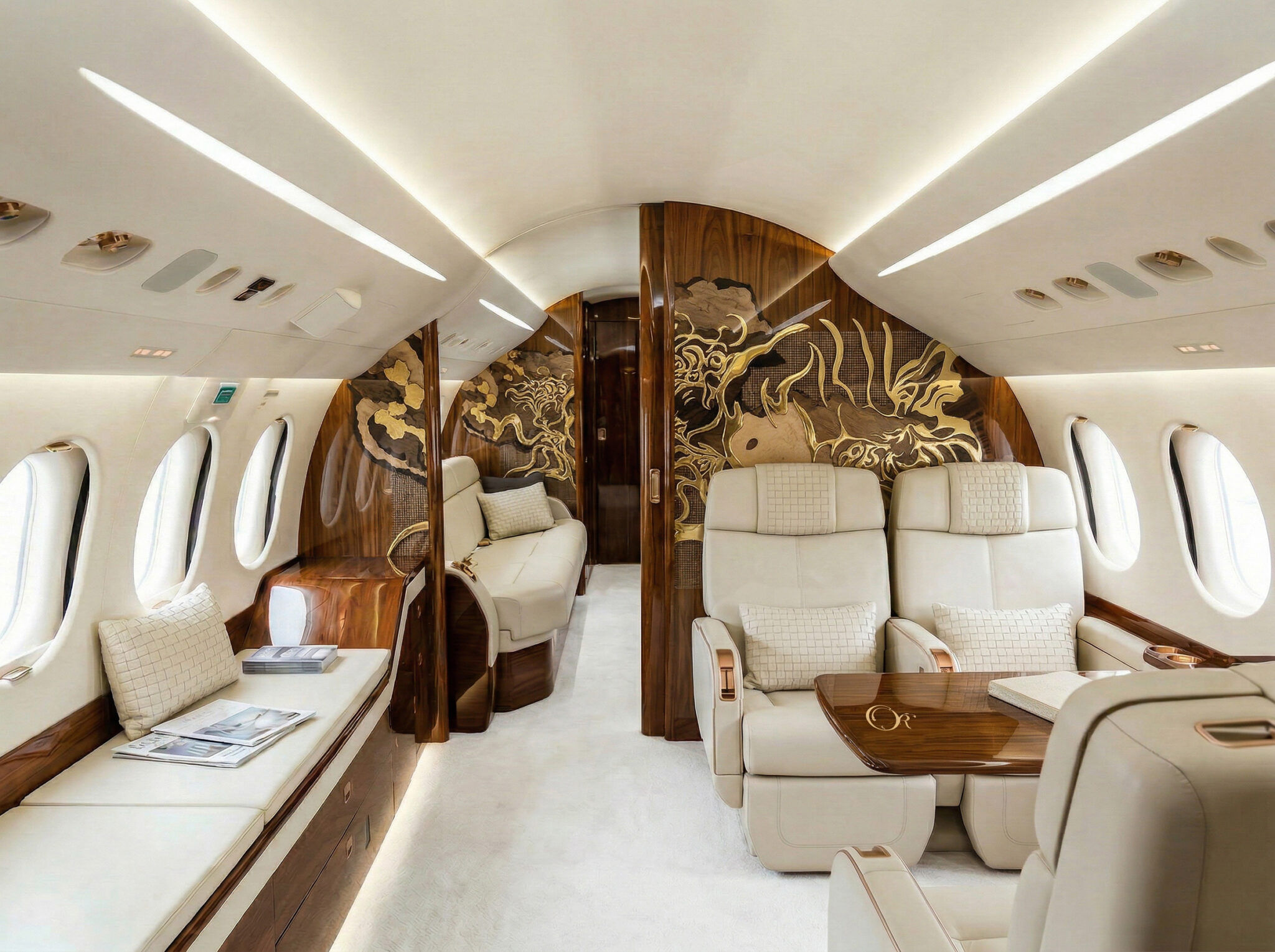
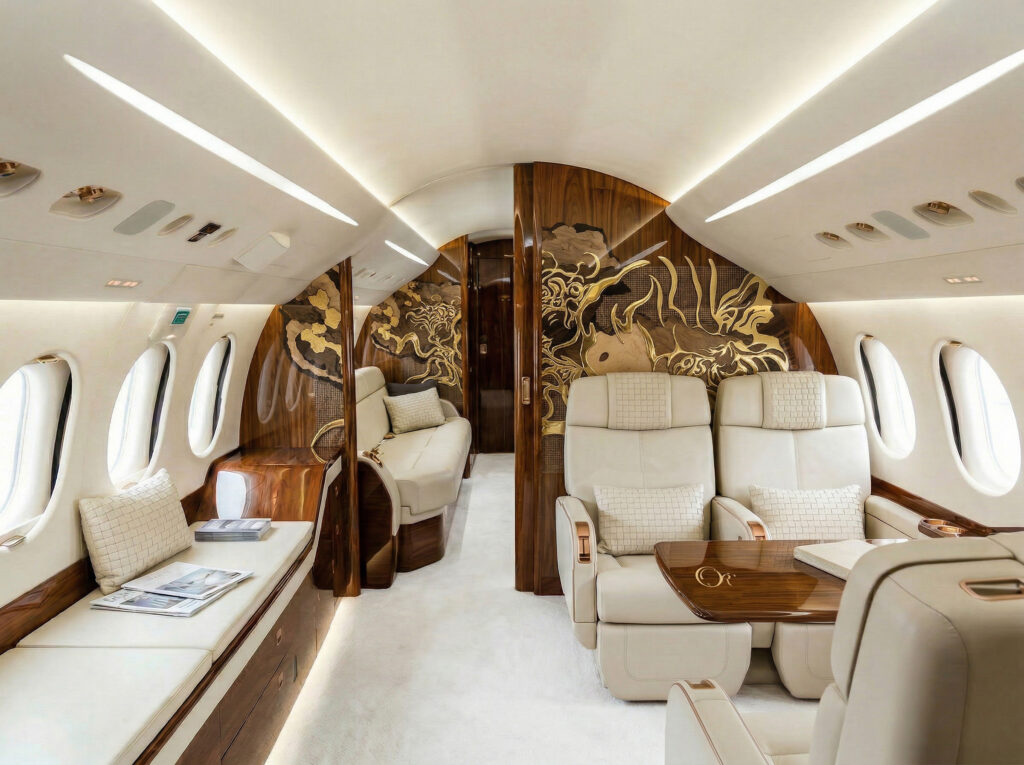 Beyond What Was Considered Possible - Reflected Asymmetry artwork inspired Jet interior
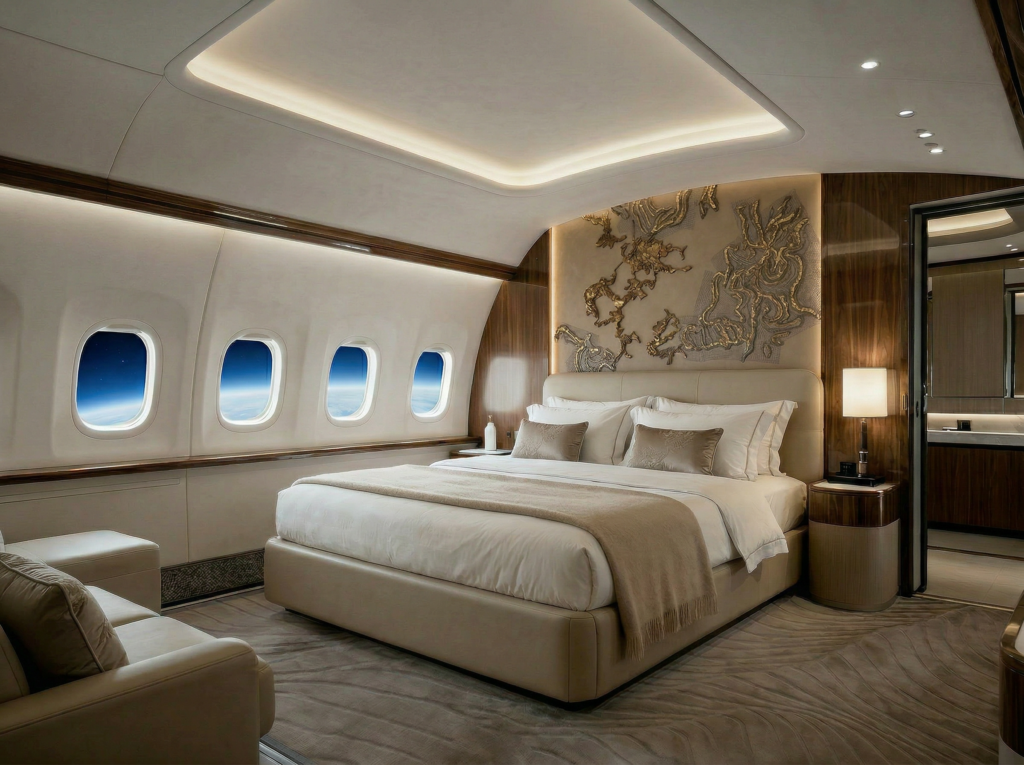 "Castles in the Air" ARTWORK INSPIRED JET INTERIOR
Castles - in the Air
approached not as an abstraction, but a discipline.
It considers how space can transcend its physical limits without losing precision or intent. Materials are selected for their inherent weight and integrity—metal, mineral surfaces, reflective planes—then calibrated to achieve a sense of quiet suspension. The result is an environment that feels composed rather than constructed.
Within private aviation, where constraints are exacting, this approach allows space to extend beyond its measurable boundaries. Light is not applied, but guided. Reflection is not decorative, but directional. Surfaces are engineered to hold depth, not excess
Experience intentionally restrained.
Each element serves to soften the perception of enclosure while reinforcing a sense of clarity and control. The interior becomes less about statement and more about atmosphere—an equilibrium between presence and absence.
“Castles in the Air” becomes a framework for creating spaces that are both grounded and elevated—designed to be inhabited, understood intuitively, and remembered for their quiet precision.
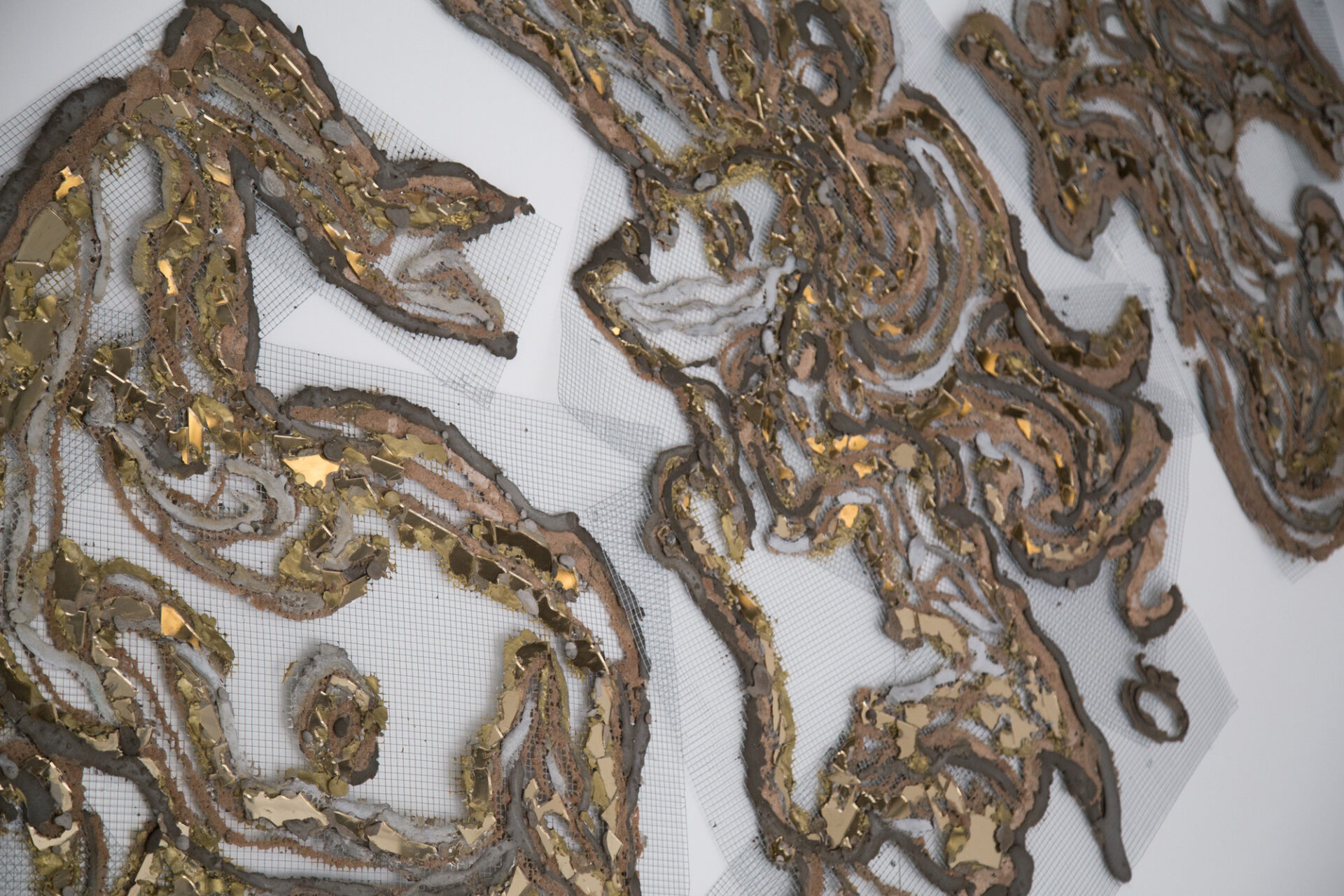
Castles in the Air ORIGINAL ARTWORK
THE beginning
The original work introduces a dialogue between permanence and illusion.
Raw textures hold density and time.
Reflective elements dissolve edges and multiply space.
Metal traces movement across a fixed surface.
The composition resists stillness—it shifts with light, with position, with presence.
This principle becomes transferable.
A surface is no longer static.
It becomes spatial.
EXTENSION OFTHE SPACE BEYOND ITS LIMITS
“Castles in the Air” begins as a physical work—metal, mineral, and mirror brought into tension.
What appears fluid is anchored.
What feels weightless is precisely constructed.
This duality forms the foundation of a design approach that moves beyond object into environment—where surfaces, light, and reflection are composed to extend space beyond its limits.
Not imagined... Engineered.
BROWSE CASTLES IN THE AIR ATWORK AT THE STUDIO
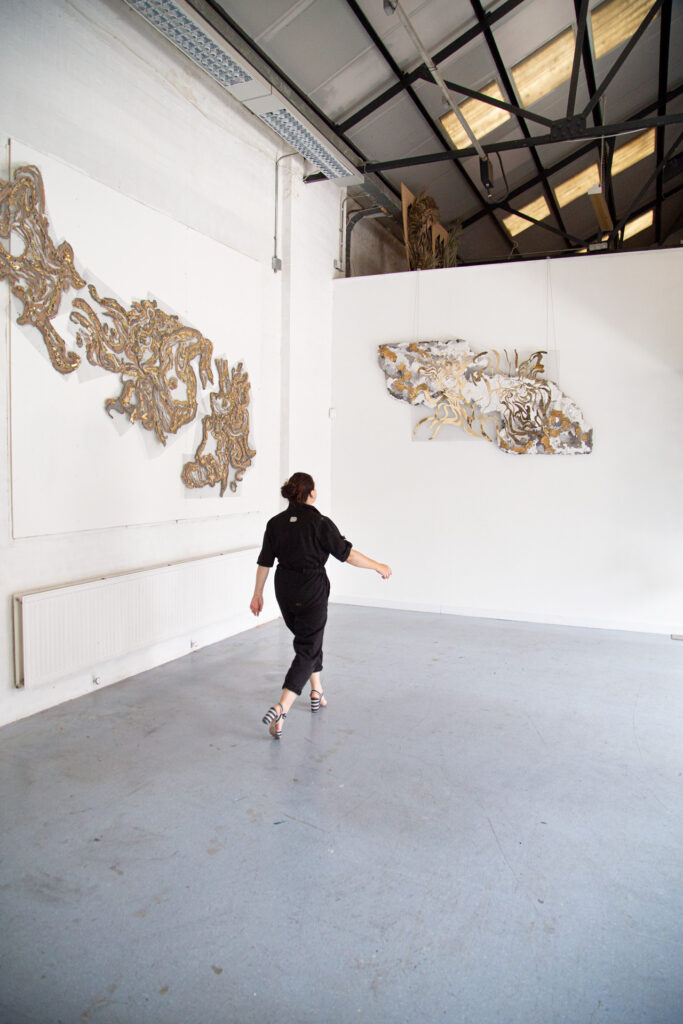 CASTLES IN THE AIR AND REFLECTED ASYMMETRY AT THE STUDIO